West Green Road rug cleaning for stubborn stain removal
If you are staring at a rug with a mark that simply will not budge, you already know the feeling: a little frustration, a bit of panic, and then that quiet hope that maybe it will fade on its own. Usually, it does not. That is where West Green Road rug cleaning for stubborn stain removal becomes more than a nice-to-have service; it becomes the practical way to protect your rug, your room, and your sanity.
Rugs pick up life quickly. Coffee spills, red wine, muddy shoes, pet accidents, makeup, cooking grease, ink, and the occasional mystery patch that appears after a busy weekend. Some stains are easy enough to lift with careful spot treatment. Others sink deeper into the fibres and backings, where over-the-counter products can make things worse. In this guide, you will learn how stubborn stain removal works, what actually helps, what to avoid, and when specialist rug cleaning is the safer choice.
For readers comparing services, it also helps to understand the wider picture: the rug itself, the fibre type, the stain age, the drying process, and the standards a professional cleaner should follow. Let's get into the useful stuff.
- Why West Green Road rug cleaning for stubborn stain removal matters
- How the cleaning process works
- Key benefits and practical advantages
- Who this is for and when it makes sense
- Step-by-step guidance
- Expert tips for better results
- Common mistakes to avoid
- Tools, resources and recommendations
- Law, compliance, standards, and best practice
- Options, methods, and comparison table
- Case study or real-world example
- Practical checklist
- Conclusion
- Frequently asked questions
Why West Green Road rug cleaning for stubborn stain removal Matters
Stubborn stains are not just cosmetic. They can change the texture of a rug, leave a smell behind, and slowly wear down the fibres if they are scrubbed repeatedly or treated with the wrong solution. A rug in a hallway, dining room, or front room tends to take more punishment than people realise. By the time a stain looks dark and set, it has often travelled beyond the surface pile.
That is why local, responsive rug cleaning matters. West Green Road homes and businesses often need a practical, same-day-thinking approach rather than a "leave it and hope" approach. A stain left too long can attract more dirt, especially if the wrong product has already been applied. To be fair, most people try to fix the problem with good intentions. The trouble is, enthusiasm and chemistry do not always get on.
There is also the issue of rug value. Handmade rugs, wool blends, natural fibres, and older decorative pieces can be expensive to replace. Even a modern synthetic rug may be worth saving if the stain is in a visible area. Cleaning properly can preserve colour, pile shape, and the overall life of the rug.
Professional stain removal also matters because it is not one-size-fits-all. A splash of tea behaves differently from a pet accident. Ink, grease, makeup, wax, and food dyes each need a different approach. If you use the same method on everything, you may lock the stain in deeper. And yes, that happens more often than people admit.
How West Green Road rug cleaning for stubborn stain removal Works
Good rug cleaning starts with identification. First, the cleaner looks at the fibre, weave, backing, and the age and type of stain. Wool, viscose, cotton, polypropylene, silk, and blended rugs all react differently to moisture, heat, and pH. That matters a lot. A method that is safe on one rug can damage another.
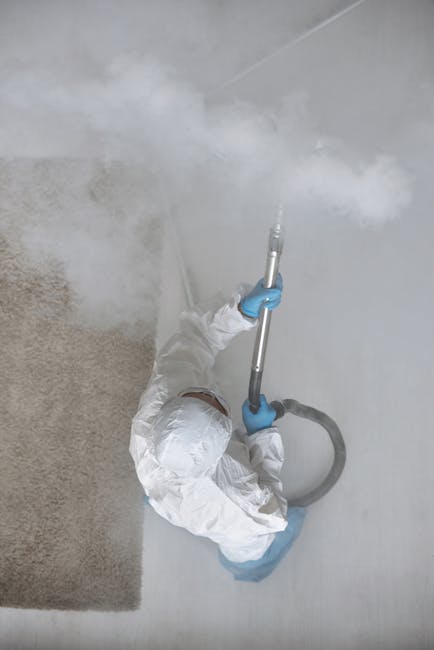
The general process usually begins with a dry soil removal stage. This lifts grit and loose particles before any moisture is added. That step is easy to skip mentally, but it matters because trapped grit can act like sandpaper during cleaning. Next comes stain assessment and pre-treatment. A targeted solution is applied to break down the stain without flooding the area.
Depending on the rug, the cleaner may use controlled hand cleaning, low-moisture agitation, or specialist extraction. The aim is to flush out residue while protecting the dyes and structure of the rug. In some cases, repeated light treatment works better than one aggressive pass. Patience wins here. A bit boring, but true.
Drying is the final part, and it is often underestimated. A rug that dries too slowly can develop odour, wick stains back to the surface, or become distorted. Professional rug care should focus on airflow, careful moisture control, and balanced drying. If a cleaner glosses over the drying stage, that is a red flag in itself.
For deeper fibre care beyond rugs, some households also pair cleaning with carpet cleaning or upholstery cleaning to keep the whole room looking consistent rather than half-refreshed and half-tired.
Key Benefits and Practical Advantages
The biggest benefit is obvious: better stain removal. But there is more to it than simply making a mark disappear. Proper rug cleaning often improves colour brightness, softens flattened fibres, and removes trapped odours that household sprays merely cover up for a day or two.
You also reduce the risk of permanent damage. Scrubbing with a brush, using bleach-based products, or over-wetting a rug can cause dye bleed, fraying, or shrinkage. A careful cleaning process protects the rug while aiming for the best possible result. That balance is the whole game.
There is a practical benefit too: peace of mind. A clean rug changes how a room feels. The smell is fresher, the surface looks calmer, and you are not mentally dodging the stain every time you walk past it. Small thing, maybe. But real.
For households with pets, children, or a lot of footfall, professional support can also help reset the room after repeated accidents or day-to-day wear. If the stain problem is tied to pets, it can be sensible to look at pet stain and odour removal alongside rug cleaning, because the visible mark and the smell are often two sides of the same problem.
From a value point of view, it is usually cheaper to clean a rug properly than to replace it, especially if the rug has any decorative, sentimental, or matching-room value. A rug can be quietly expensive to replace once you factor in size, style, and delivery. People forget that part until the shopping starts.
Who This Is For and When It Makes Sense
This service makes sense if you have a stain that has survived the usual home remedies. Maybe you blotted it, tried a supermarket spray, and it came back after drying. Maybe the stain is older and darker than before. Maybe the rug is delicate, and you do not want to risk a DIY mishap on something important. All fair reasons.
It is especially useful for:
- homes with children, pets, or frequent guests
- rugs in living rooms, hallways, dining spaces, or rental properties
- wool, wool-blend, oriental, or hand-finished rugs
- rugs affected by food, drink, mud, oil, makeup, or ink
- people preparing a property for photos, viewings, or a special occasion
If a rug has structural damage, severe colour loss, or a long history of over-cleaning, it may need more caution than a standard stain-removal approach. In those cases, the goal becomes restoration rather than "make it look brand new," which is a much more honest expectation.
Businesses can benefit too, especially waiting areas, small offices, studios, and hospitality spaces where first impressions matter. A stained rug in a commercial setting can look careless very quickly. In that context, checking commercial carpet cleaning or specialist stain removal can help you understand the broader cleaning support available.
Step-by-Step Guidance
If you want to understand the process before booking a cleaner, here is the practical version. Not the polished brochure version. The real one.
- Identify the stain type. Food dye, tannin, oil, protein, ink, or pet-related stains all need different handling. If you do not know the stain, say so. That honesty helps.
- Check the rug fibre. Wool and delicate natural fibres need gentler treatment than many synthetic rugs.
- Test a small area. Any cleaning solution should be tested first, especially on older rugs or strong colours.
- Lift dry debris. Vacuum or remove loose dirt before applying moisture. Otherwise you can turn a spot into a muddy patch.
- Apply a targeted pre-treatment. This breaks down the stain before deeper cleaning begins.
- Use controlled cleaning. Light agitation, careful rinsing, or extraction may be used depending on the rug.
- Blot and dry properly. Dry towels, airflow, and patience matter more than people think.
- Inspect once dry. Some stains appear lighter while damp and only show their true condition after drying. Annoying, but normal.
For a domestic rug, the best result often comes from a measured process rather than trying to attack the stain in one go. If the first treatment does not fully remove the mark, a second safe pass may work better than a harsh follow-up. That is the bit DIY advice tends to miss.
Expert Tips for Better Results
Here are the things that usually make the difference between a decent outcome and a much better one.
- Act quickly, but not recklessly. Blot fresh spills immediately, then stop. Rubbing is where many stains get pushed deeper.
- Work from the outside in. This helps prevent the stain spreading into a bigger halo.
- Use as little moisture as possible. Over-wetting can cause wick-back, smells, and slow drying.
- Never guess on delicate fibres. Silk-like and viscose-style rugs can be very unforgiving.
- Keep an eye on colour transfer. If the dye starts to move, stop and reassess.
- Dry the backing as well as the surface. The top may feel dry while the underneath still holds moisture.
A small human truth: the most successful stain removals are often the boring ones. Careful testing, slow application, proper blotting, then drying. Not glamorous, but it works.
If you already know a rug has a history of reappearing stains, ask about a more comprehensive service such as rug cleaning rather than only spot treatment. Full cleaning can prevent a patchy finish around the original mark.
And if the stain is on a sofa, curtain, or cushioned item nearby, it may be worth considering sofa cleaning or curtain cleaning at the same time so the room feels properly refreshed, not just partially dealt with.
Common Mistakes to Avoid
Most rug damage during stain removal comes from well-meaning mistakes. The classic one is scrubbing. It feels productive, but it can rough up the pile and spread the stain. If you scrub wool especially, the fibres can bloom unevenly and the patch becomes more obvious than the original mark.
Another common error is using too much cleaning product. More solution does not mean more cleaning. Sometimes it just means more residue, which attracts dirt later. That is one of those unpleasant little loops that keeps a rug looking grubby even after a clean.
Bleach is another troublemaker. It may seem like the answer for white or pale rugs, but it can permanently alter dyes and weaken fibres. Same for random kitchen chemicals mixed together with confidence and a prayer. Not ideal.
People also forget to check the rug backing and underlay area. If moisture reaches the backing and sits there, odour can develop later even if the surface looks fine. Then a week later you get the "why does this smell?" moment. Nobody wants that.
Finally, do not assume every stain can be removed completely. Some colour changes are permanent. A good cleaner will tell you what is realistic. That honesty is worth more than a flashy promise.
Tools, Resources and Recommendations
For light maintenance between professional cleans, a few sensible tools can help you protect the rug without doing too much. You do not need a cupboard full of gadgets. In fact, that usually causes more trouble.
- A good vacuum with adjustable suction for regular dust and grit removal
- White cotton cloths or paper towels for blotting spills without dye transfer
- A gentle, rug-safe spot treatment used only according to the product guidance
- Fan or airflow support for faster drying after a spill or clean
- Protective rug pad to reduce friction and improve airflow underneath
For larger jobs, specialist cleaning equipment and technique are usually more effective than household products. This is where trained cleaners can work more safely with different fibres, stains, and drying needs. If you want to compare the broader options, it can help to review steam carpet cleaning as a related method for textile deep-cleaning, even though rugs often require more delicate handling than wall-to-wall carpet.
It is also sensible to look at the company's approach to trust and process, not only the final result. Pages like insurance and safety, health and safety, and payment and security can tell you whether the business takes its responsibilities seriously. That may sound dry, but it matters when someone is working in your home.
Law, Compliance, Standards, or Best Practice
Rug cleaning itself is not a heavily regulated trade in the way some industries are, but good practice still matters. Responsible cleaners should work with care around your property, use suitable products, follow manufacturer guidance where available, and avoid creating avoidable risks like slips, over-wetting, or chemical residue.
In the UK, a sensible cleaner should be aware of general health and safety duties, safe handling of cleaning agents, and the importance of clear communication before and during the job. They should also be transparent about what they can and cannot guarantee. If a stain has already set or altered the dye, promising a perfect result is not professional. It is just marketing dressed up as certainty.
For homeowners and tenants, it is also wise to keep basic care records if a rug is valuable, especially for natural fibre or handmade pieces. Photos before and after cleaning can help track condition. In rental settings, clean presentation can support deposit discussions, but expectations should remain realistic and fair.
Best practice also includes environmental care. Some customers prefer a cleaner who thinks about water use, product choice, and waste handling carefully. If that matters to you, the company's recycling and sustainability approach is worth checking. It is a small signal, but a useful one.
Options, Methods, or Comparison Table
Not every stain needs the same treatment. Here is a simple comparison to help you decide what makes sense.
| Method | Best for | Strengths | Limitations |
|---|---|---|---|
| Blotting and gentle spot care | Fresh spills | Fast, low-risk, easy to do at home | May not remove deep or old stains |
| Targeted stain treatment | Set stains with a known cause | More effective than general cleaning | Needs correct product choice |
| Professional rug cleaning | Delicate, valuable, or stubborn stains | Safer for fibres, deeper result, better drying control | Usually costs more than DIY |
| Full textile room clean | Multiple items with wear or odour | Creates a more even finish across the space | May be unnecessary for a single small stain |
As a rule of thumb, the more delicate the rug and the older the stain, the less sensible it is to experiment. A quick blot is one thing. A beloved rug with a complicated stain history is another.
Case Study or Real-World Example
A typical situation goes like this. A household on West Green Road has a medium-pile rug in the living room. A cup of dark coffee spills during a rushed morning. They blot it, use a generic stain remover, and think it is handled. Two days later, the mark is still there, only now it has a faint ring around the edge. Worse, the treated area feels a little stiff.
When the rug is inspected properly, the stain has settled into the pile and the first product has left residue. The cleaner starts with dry soil removal, then tests a mild solution in a corner. A controlled pre-treatment is used, followed by careful extraction and drying support. The stain is reduced significantly, the ring is softened, and the texture improves.
Was it magic? No. Just the right method, a bit of patience, and not attacking the rug like it offended someone personally. That is usually the difference.
The important lesson is simple: the sooner a stain is assessed correctly, the better the result tends to be. Once a stain has been pushed around by several products, the job gets harder. Still possible, often. Just harder.
Practical Checklist
Before you book or attempt stain treatment, run through this checklist.
- Identify the stain if you can: food, drink, oil, pet-related, ink, or unknown
- Check the rug fibre and whether it is delicate or handmade
- Blot gently rather than rub
- Avoid soaking the rug
- Do not mix cleaning products
- Test any product in a small hidden area first
- Allow proper drying time with airflow
- Inspect the rug again once fully dry
- Ask whether a full clean is better than local spot treatment
- Choose a cleaner who is clear about expectations and aftercare
If you are comparing providers, it is sensible to check practical pages like pricing and quotes and terms and conditions so you understand what is included before work begins. Clear expectations tend to prevent awkward surprises. Funny how that works.
Get a free quote today and see how much you can save.
Conclusion
West Green Road rug cleaning for stubborn stain removal is about more than making a mark disappear. It is about choosing the right method for the fibre, protecting the rug from unnecessary damage, and getting a result that actually lasts. The best outcomes usually come from careful assessment, gentle but effective treatment, and proper drying.
If your rug has a stain that has outstayed its welcome, do not keep fighting it with random products and hope. That route often makes the problem harder, not easier. A measured approach is calmer, safer, and more likely to bring the rug back to life.
And honestly, there is something deeply satisfying about seeing a favourite rug look like itself again. A small win, but a lovely one.
Frequently Asked Questions
What types of stains are hardest to remove from rugs?
Old food dyes, red wine, coffee, ink, oil, pet accidents, and colour transfer are often the most stubborn. The age of the stain and the rug fibre both affect the outcome.
Can I remove a stubborn rug stain myself?
Sometimes, yes, especially if the stain is fresh and the rug is synthetic. But delicate fibres, set-in stains, and anything you have already treated with the wrong product are usually better handled professionally.
Why do stains sometimes come back after cleaning?
This is often called wick-back. Moisture can carry hidden residue up from deeper in the fibres or backing as the rug dries. Proper drying and extraction help reduce that risk.
Is steam cleaning safe for all rugs?
No. Some rugs can handle moisture well, while others need a much gentler process. Steam-style methods are not automatically suitable for wool, viscose, silk-like fibres, or handmade rugs.
How long does rug drying usually take?
It depends on the fibre, pile density, cleaning method, and airflow. A rug that seems dry on top may still hold moisture underneath, so full drying should be checked carefully.
Will professional cleaning remove every stain?
Not always. Some stains permanently alter dye or fibre structure. A trustworthy cleaner should explain what can realistically be improved rather than promising perfection.
What should I do immediately after a spill?
Blot gently with a clean white cloth, avoid rubbing, and keep moisture under control. If you are unsure, stop there and ask for advice rather than adding more products.
Are wool rugs harder to clean?
They can be. Wool is durable in many ways, but it is also more sensitive to harsh chemicals, heat, and aggressive scrubbing. It rewards a careful hand.
Does stain removal cost more than standard rug cleaning?
It can, especially if the stain needs extra testing, repeat treatment, or delicate handling. The exact cost depends on the rug, the stain, and the level of work involved.
Can a cleaner treat pet odours at the same time?
Often, yes. If a rug has both a visible stain and a lingering smell, it may be sensible to combine stain work with pet stain and odour removal so the result is more complete.
How do I know if my rug needs specialist care?
If the rug is handmade, valuable, delicate, heavily stained, or has already reacted badly to a DIY product, specialist care is usually the safer choice. When in doubt, ask for an assessment first.
What if the stain is on a rug near other soft furnishings?
That is a good time to think about the room as a whole. Matching the rug clean with broader textile care, such as sofa cleaning or upholstery cleaning, can help the space look consistent instead of patchy.
Where can I learn more about the company before booking?
It is sensible to review the company background and service information first. A good starting point is the about us page, along with relevant policy pages such as safety, insurance, and privacy, so you know who you are dealing with.